

Schedule
New Albion: How to Rebuild a Nation
SUMMIT 2026
- Thursday 9th July
- Friday 10th July
Churchill College, Cambridge
16:00–17:45
Check in, registration and refreshments
18:00–18:15
Welcome: Munira Mirza, Chief Executive, Civic Future
18:15–19:15
Main Room
Why do nations matter?
“In societies such as ours, it is unusual for anyone describable as an intellectual to feel a very deep attachment to his own country,” said George Orwell in 1944. Why has love of country and national identity become so difficult to talk about in modern liberal democracies? Questions like who “we” are, what binds a people together, and what a nation can expect of its members, have become fraught and moralised. This opening session will look at the impact of immigration, historical guilt, and the weakening of social ties, and ask whether Britain and other western nations can recover a confident sense of themselves.
Speakers:
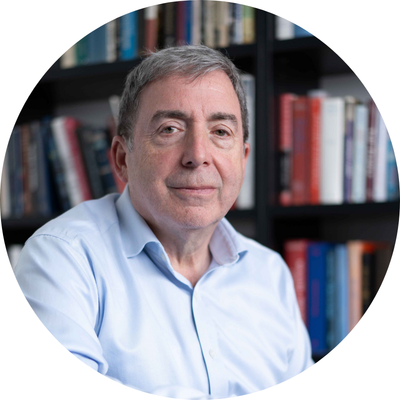
Russ Roberts, President, Shalem College, Jerusalem

Ali Ansari, Founding Director, Institute for Iranian Studies, University of St Andrews
Chair:
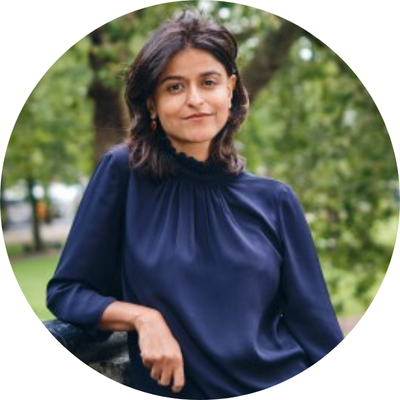
Munira Mirza, Civic Future
The Møller Institute, Churchill College, Cambridge
09:15–10:15
Main Room
Patriotic capitalism?
What would it mean for Britain to have a genuinely patriotic business class? Not one preoccupied with appearing at Davos or slogans about corporate social responsibility, but instead willing to create the industries, jobs, and technologies on which towns and cities depend. Should top-flight firms, investors, and founders work more consciously in the national interest and be more actively involved in improving the country? Is there any duty to think about British citizens, not just the balance sheet or global wellbeing?
Speakers:
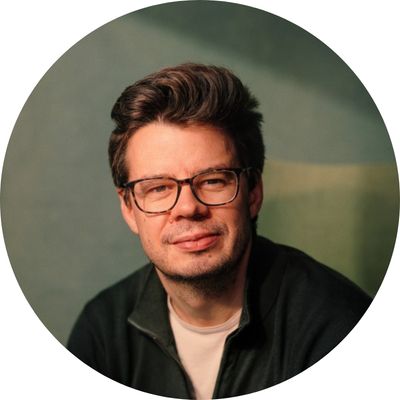
Marc Warner, CEO, Faculty; CTO, Accenture

Aled Maclean-Jones, CEO and Co-Founder, Ashore
Chair:
Munira Mirza, Civic Future
09:15–10:15
Second Room
The meaning of citizenship
236,000 people were granted British citizenship in 2025, with new formal rights, such as the right to vote and hold a British passport. However, citizenship to most people means something more than just a legal category. It requires a sense of a shared obligation, mutual loyalty, and a feeling of belonging to a national community. Should we ask more from citizens than we do?
Speakers:
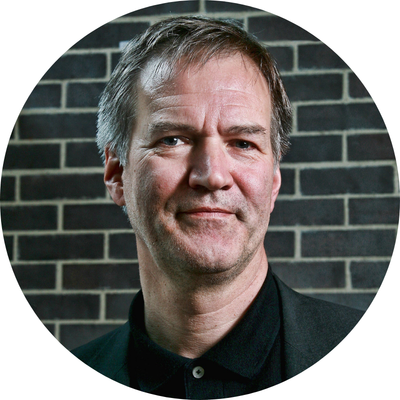
David Goodhart, Head of Demography, Immigration & Integration, Policy Exchange

Ed West, Writer, Wrong Side of History (Substack)
Chair:

Helen Chandler-Wilde, Civic Future
09:15–10:15
Third Room
Does Britain still need Christianity?
Britain’s laws, institutions, and moral and cultural values are shaped in large part by Christianity, yet in a secular and diverse society its place is no longer clear. Is Christianity still important, not just as a private faith, but as a source of social order, public occasion, and shared belonging? Do other religions deserve an equal place, or would something be lost if Britain ceased to think of itself as Christian?
Speakers:
Adil Rashid, Social Worker, Newham Council
Bijan Omrani, Author, God is and Englishman
Marcus Walker, Rector, St Bartholomew the Great
Chair:

Pamela Dow, Civic Future
10:15–11:15
Main Room
Teaching the nation
We are used to judging schools by their performance in league tables, but should we care as much about their role in nurturing British identity? Schools transmit cultural values, national myths, and expectations of citizens, but the constantly tweaked guidance on ‘British Values’ from national government veers between generic imprecision and responding to shocking events. In many other countries, school children sing the national anthem every day or recite a pledge, yet British schools have tended to shun such gestures as illiberal. As the population becomes more diverse, do we need more overt displays of nationhood in schools – through civic education, assemblies, and cultural events? Would teachers support it?
Speakers:
Daisy Christodoulou, Director of Education, No More Marking

Will Orr-Ewing, Founder, Keystone Tutors
Chair:
Pamela Dow, Civic Future
10:15–11:15
Second Room
England in the imagination
The English novel is one of the great records of national life, capturing the textures of class, place, manners, ambition, and feeling across generations. What does the history of our literature reveal about the distinctiveness of Britain, why did it flourish here, and should we all read more today?
Speakers:

Philip Hensher, Author and Journalist
Henry Oliver, Research Fellow and Emerging Scholar, Mercatus Center
Chair:
Helen Chandler-Wilde, Civic Future
10:15-11:15
Third Room
Getting real on defence
For years, politicians have promised to reform procurement, increase defence spending, and meet NATO targets, but the talk in Whitehall feels more like a charade than reality. What would it take to build a defence and security system that actually works? How could it be funded? This session looks at the fit between Britain’s threats, ambitions, and capabilities: what can we genuinely defend and prepare for over the next few years?
Speakers:

Bobby Bryan, Army Officer, MOD Military Strategic Headquarters (MSHQ)

James Lawson, Chairman, the Adam Smith Institute; Director, Helsing
Chair:

Henry Roberts, Civic Future
11:30–12:30
Main Room
Renewing national culture
Britain is held together by more than its laws and institutions: it lives through language, music, landscape, memory, style, and symbols. The 2012 opening ceremony of the Olympics told the national story through Shakespeare, bucolic fields, coal mines, David-Bowie inspired fashion, and the NHS. But in the era of streaming giants, social fragmentation, and dying high streets, many today worry we have lost a shared national culture. How can we renew it? And how can it embrace the future rather than retreating into nostalgia?
Speakers:

Ayishat Akanbi, Writer and Cultural Commentator

Ian Leslie, Author, John and Paul and How to Disagree
Chair:
Henry Oliver, Mercatus Center
11:30–12:30
Second Room
The return of northern soul
“They have voted for more power for the North and everywhere forgotten by Westminster,” said Andy Burnham MP in his victory speech after the Makerfield by-election. As the King of the North prepares to become Prime Minister, what would it take to tackle the north-south divide, and ensure other regions fulfil their potential? Is it about shifting public funding away from the south, devolving fiscal powers to the regions, place-based interventions in neglected areas, or a nationwide mission to drive growth everywhere? What practical ideas might be enacted in the coming few years? Can everyone be a winner?
Speakers:

Tom Forth, CTO and co-Founder, The Data City; Blog Writer, tomforth.co.uk

Andrew O’Brien, Head of Secretariat, Independent Commission on Neighbourhoods
Chair:
Tobias Phibbs, Civic Future
11:30–12:30
Third Room
The making of Singapore – lessons from the Lion City
When Singapore became independent in 1965, it was poor, lacked natural resources, and was torn by racial division. Yet within a generation, Lee Kuan Yew’s government turned it into one of the richest, most cohesive nations on earth with a strong identity. Dr Bryan Cheang will explore how exemplary leadership used public housing, institutions, heritage, education and military service, to develop a clear national story and bind together this young and diverse state. Despite many differences, there are clear lessons for Britain today in the making of Singapore.
Speakers:

Bryan Cheang, Co-director and Fellow, LSE Hayek Program at STICERD
Chair:

Henry Cochrane, Civic Future
12:30–13:30
Main Room
Do we need a Britain First approach to industry?
In 1976 Concorde made its maiden flight, marking a highpoint in British engineering and industry. Fifty years later, do we have the industrial might and ambition to become world leaders again? Today many companies are struggling with high energy prices, lack of capacity, over-regulation, and supply chain problems. Can Britain revive its industrial legacy? If so, how? Does domestic ownership matter, or will we lose out by eschewing the benefits of globalisation?
Speakers:
Juliet Samuel, Columnist, The Times

Rian Whitton, Researcher, Bismark Analysis
Chair:

Tom Ough, Senior Editor, Unherd
12:30–13:30
Second Room
Rising sectarianism and extremism
It is often said that diversity is our strength, but the sight of riots and warring protestors suggests emerging divisions in our society. Some argue that these are amplified by social media. How much is sectarianism and extremism a genuine issue in Britain today? This session will consider trends among different groups, the influence of extremism, and how particular individuals and organisations are influencing local and national politics. How can we build a stronger sense of common life in a country in which communities are becoming ever more siloed?
Speakers:

Andrew Gilligan, Senior Fellow and Head of Transport, Infrastructure and London, Policy Exchange
Chair:
Munira Mirza, Civic Future
17:00–18:00
Main Room
How can we attain AI sovereignty?
The top four American tech companies are projected to spend more on AI infrastructure this year than the entire economic output of countries like Sweden, Belgium, and Ireland. Combined with China’s biggest firms, the expense reaches half of Britain’s GDP. In an environment so heavily dominated by the two biggest powers, is AI sovereignty but a dream? Are we in a position to grow and utilise our domestic talent to make advanced models of our own? Or does our role have more to do with setting rules and influencing standards. What kind of control can Britain realistically hope to retain?
Speakers:
Sarah Hunter, Trustee, Nesta; Non-executive Director, ARIA
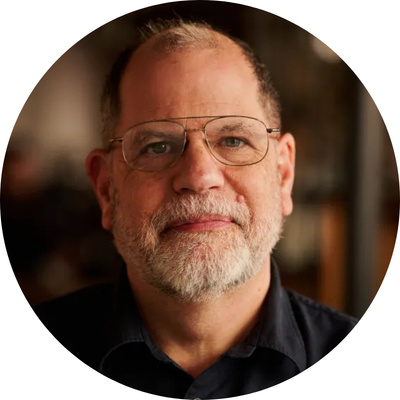
Tyler Cowen, Professor of Economics and Faculty Director of the Mercatus Center, George Mason University
Chair:
Munira Mirza, Civic Future