

Schedule
The Start-Up Society
SUMMIT 2025
- Thursday 3rd July
- Friday 4th July
The Waterhouse Suite, Latimer Estate
16:00–17:45
Check in, registration and refreshments
18:00–18:15
Welcome: Munira Mirza, Chief Executive, Civic Future
18:15–19:30
Main Room
Start-up cultures: more DOGE, less Blob?
For years, concerns about ‘the Blob’ were dismissed as a right-wing talking point. Now, both left and right recognise the problem. An overgrown, risk-averse state that delays projects, stifles innovation and resists reform. In the United States, the Department of Government Efficiency (DOGE) is allegedly attempting to cut red tape to create a leaner, more responsive government. But it’s attracting criticism from many of its original backers.
What does a true start-up culture look like? Does Britain need its own DOGE? Or will this just create new unintended and harmful consequences?
Speakers:

Tyler Cowen (Keynote), Faculty Director, Mercatus Center at George Mason University

Andrew Greenway (Respondent), Founder, Public Digital

Ruxandra Teslo (Respondent), Writer; Research Associate, Sanger Institute
Chair:

Munira Mirza, Civic Future
The Waterhouse Suite, Latimer Estate
09:30–10:30
Main Room
Why is Britain not growing?
Britain has become a high-tax, high-spend economy with low-growth and productivity, despite strengths in tech, academia, and finance. With so many advantages, why does stagnation persist? What’s holding Britain back, and what needs to change to finally unlock its economic potential?
Speakers:

Sam Bowman, Works in Progress at Stripe

Mark McVitie, Director, Labour Growth Group

Rian Whitton, Analyst and researcher at Bismark Analysis
Chair:

Joe Hill, Policy director, Re:State
09:30–10:30
Wallace Room
How to be a policy entrepreneur?
Just as technology has enabled individuals to disrupt the media, could the same happen in politics? New upstart policy initiatives are gaining traction, leading to the question: are the traditional think tank and lobbyist class losing their grip? Should grassroots movements take the lead, bypassing bureaucracy to tackle overlooked but urgent issues directly?
Speakers:

Charlie Peters, National Reporter, GB News

Lawrence Newport, Campaigner, Looking for Growth
Chair:

Tobias Phibbs, Civic Future
09:30–10:30
Syndicate Room
Go big or get home (transport)
The idea that Britain’s stagnation stems from an inability to build – houses, transport, and the associated infrastructure – has gained cross-party traction. But with the cancellation of HS2, what’s the future for major transport projects in Britain? Should we think of the future in terms of scale – gleaming high speed lines and maglevs – or in fixing the basics faster and better?
Speakers:

Sam Dumitriu, Head of Policy, Britain Remade

Andrew Gilligan, Senior Fellow and Head of Transport, Policy Exchange
Chair:

Jack Hutchison, Civic Future
10:45–11:30
Main Room
New institutions versus reforming existing institutions
What does it take to align institutional structure with national missions and speed up delivery? Should we fix old institutions or build new ones? Initiatives like the Free Schools movement, ARIA, and SpaceX show how fresh structures can drive innovation and challenge the status quo. Reforming existing institutions, such as the NHS however, makes use of established infrastructure and broad reach – albeit slowly. When is disruption worth the risk, and where is reform still possible? Can innovation and accountability truly coexist?
Speakers:

Emily Lawson, Former Chief Operating Officer, NHS England

Rachel Wolf, Founding Partner at Public First.
10:45–11:30
Wallace Room
Why can’t we sack people?
In business, underperformance often leads to consequences. In government, it often leads to bigger budgets and little accountability. Civil service protections, rigid rules, and a risk-averse culture mean failure is rarely punished. If Britain wants a government that works, one question looms large: why can’t we sack people?
Speakers:

Stephen Webb, Former Head of Government Reform and Home Affairs, Policy Exchange

Pamela Dow, COO, Civic Future
10:45-11:30
Syndicate Room
Why is Britain not working?
Work, once tied to self-fulfillment and ambition, is increasingly viewed as an obstacle in the way of those things. With rising welfare claims – particularly among young people with mental health issues – and a growing share of recipients exempt from job-seeking, the system is under strain. Is this a sign of a growing culture of dependency? As the state shoulders more, can Britain still foster the resilience and drive needed for a thriving, entrepreneurial society?
Speakers:

Jean-Andre Prager, Senior Policy Fellow, Policy Exchange
Chair:

Inaya Folarin-Iman, Civic Future
11:45–12:30
Main Room
The challenges of scaling a business in Britain
Britain produces great start-ups, but why do so few scale successfully at home? Are regulatory hurdles, talent shortages, or funding gaps to blame? What structural changes might keep high-growth businesses from selling early or moving abroad?
Speakers:

Alex Chang, CEO, Fuse Energy

James Wise, Partner, Balderton Capital
Chair:

Fergus McCullough, Director of Operations, Progress Ireland
11:45–12:30
Wallace Room
Defence-led industrial strategy
Defence is emerging as a powerful engine for industrial renewal, reviving manufacturing, accelerating applied tech, and forging new public-private partnerships. In the U.S, companies like Palantir and Anduril have shown how state-backed demand can drive innovation. Could a defence-led strategy offer Britain a path out of stagnation? With the right mix of national ambition and entrepreneurial energy, might this model reconcile free market dynamism with a long-term industrial strategy?
Speakers:
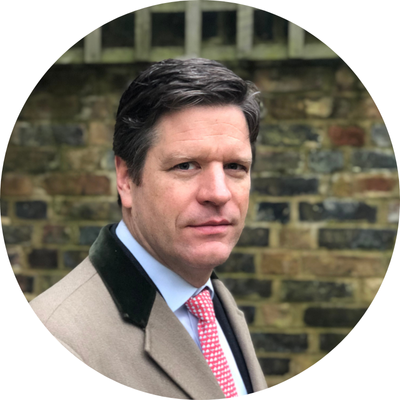
Bobby Vedral, CEO at SCYLD CAPITAL

Conrad Griffin, Executive Director, Technology Investment Banking at Morgan Stanley
Chair:
Pamela Dow, Civic Future
11:45–12:30
Syndicate Room
Let’s build build build (transport)
The idea that Britain’s stagnation partly stems from a failure to provide cheap energy has gained a lot of support. But what would delivering on that promise really involve? Small Modular Reactors have been touted as one potential solution, and our abundance of brownfield sites makes us particularly well-suited to them. Could they be our future? Or are there just too many regulatory hurdles to get the idea off the ground?
Speakers:

Matthew Burnett (remote), Frontier Specialist, ARIA

Mustafa Latif-Aramesh, Partner and Parliamentary Agent, TLT LLP
Chair:

Henry Cochrane, Civic Future
14:15–15:00
Main Room
How to get a start-up culture in government
Government is often seen as slow and bureaucratic, but moments like the COVID-19 vaccine rollout show it can move fast, innovate, and deliver. What made that possible, and can it be replicated more broadly? Which parts of start-up culture translate to public service, and where do the demands of governance require something different?
Speakers:

Tom Shinner, COO at Entrepreneurs First

James Kuht, CEO and Co-founder Pair
Chair:
Pamela Dow, COO at Civic Future
14:15–15:00
Wallace Room
Going from business to politics (Q&A)
In business, you make a decision, and it can happen straightaway. In politics, you have to persuade, build alliances, and win arguments – often slowly and painfully. Some say we need more business people in politics, but does business experience translate? Do we need more CEOs in Westminster, or does politics play by different rules?
Speakers:

Andy Street, Businessman and former Mayor of the West Midlands
15:00–15:45
Main Room
AI: what next? (workshop)
From promises of innovation and economic growth to fears of surveillance and job displacement, AI has become a battleground for geopolitical power, safety concerns, and ethical dilemmas.
This brainstorming session explores a deeper question: What would an AI future rooted in the Western liberal tradition of civic freedom and individual rights look like? Have our current debates obscured the need for a coherent, principle-driven vision?
Speakers:

Marc Warner, CEO, Faculty AI
15:00–15:45
Wallace Room
Judicial Review: time for change?
Once a niche legal safeguard, Judicial Review now plays a prominent role in politics – blocking deportations and delaying projects like HS2 and Heathrow’s third runway. Has it become a tool for political obstruction? Can legal oversight be preserved without enabling activism through the courts?
Speakers:

Harry Gillow, Barrister at Monkton Chambers
Sam Dimitriu, Head of Policy, Britain Remade
Chair:
Tobias Phibbs, Civic Future
16:15–17:15
Main Room
How to disrupt politics
Every year, conferences diagnose the UK’s problems and float solutions – yet it sometimes feels like little changes. Is it a failure of imagination and willpower, or the paralysis of too much choice? After days of exploring ideas and strategies, the real question is: how do we act? Does the UK need disruption – and if so, what form should it take? From new parties to Brexit, what can we learn from history to shape the future?
Speakers:
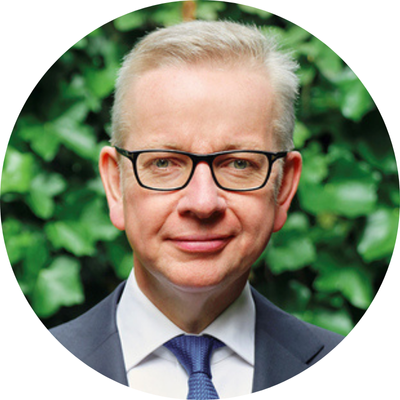
Michael Gove, Editor of The Spectator

Tom McTague, Editor of The New Statesman
Chair:
Munira Mirza, Civic Future